Urban Talismans
Kabbalah of Bling
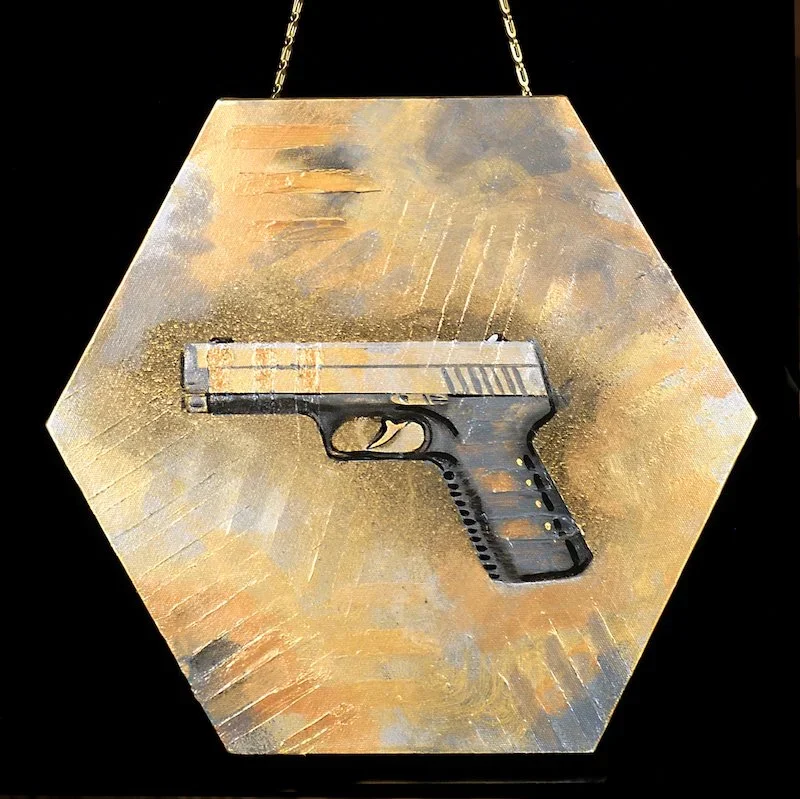
Protection Amulet Gold, Acrylic on canvas

In God We Trust - Gold, Acrylic on canvas
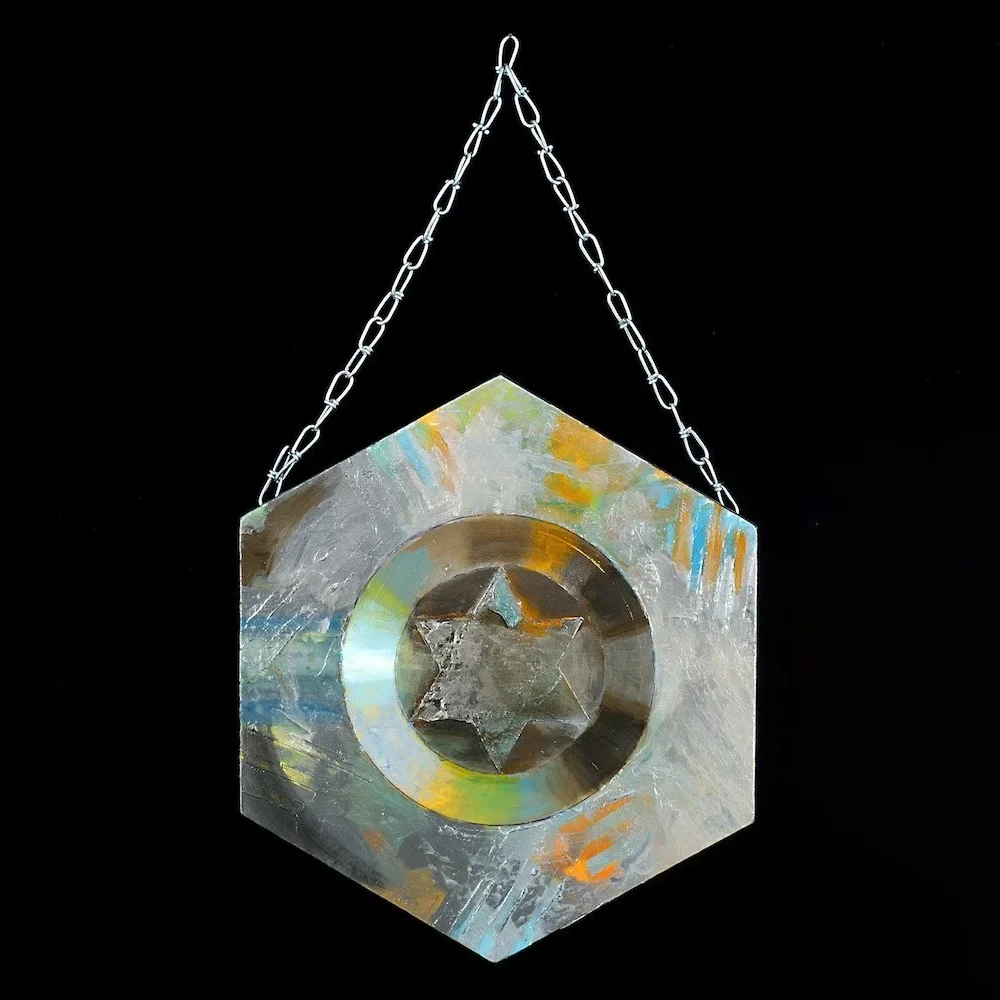
Protection Amulet
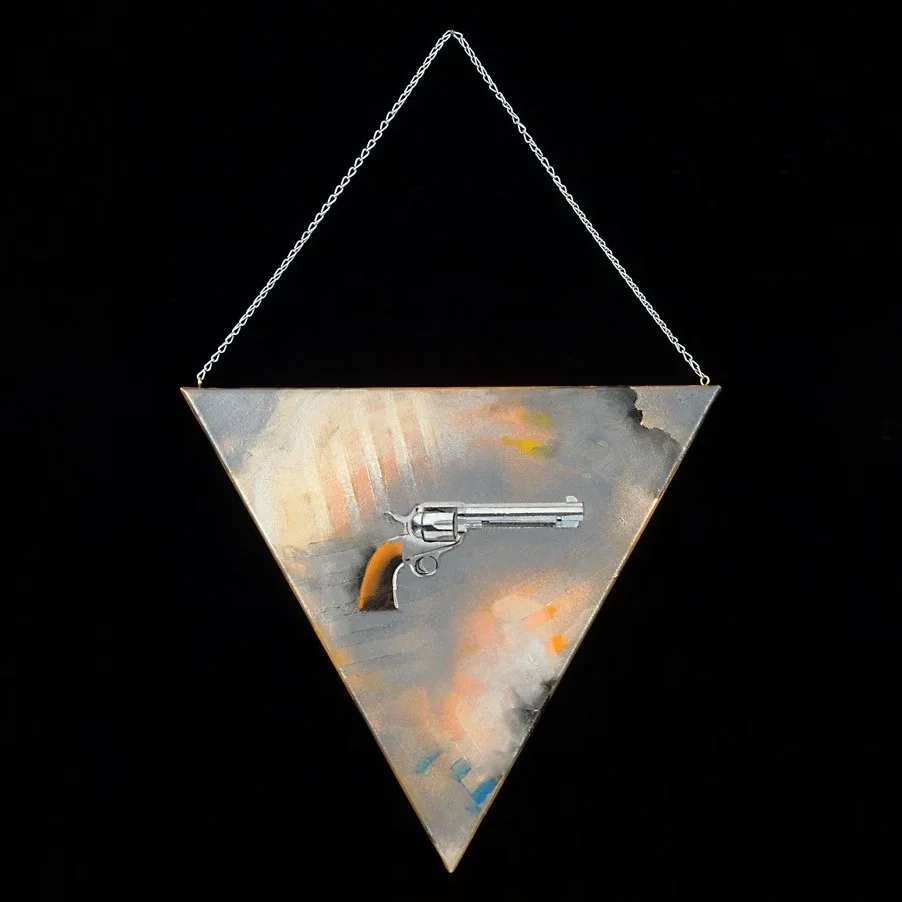
Protection Amulet Pewter, Acrylic on canvas
City Charms - Amulets for NYC Buildings
Protective artworks designed to symbolically shield New York City buildings from harm.
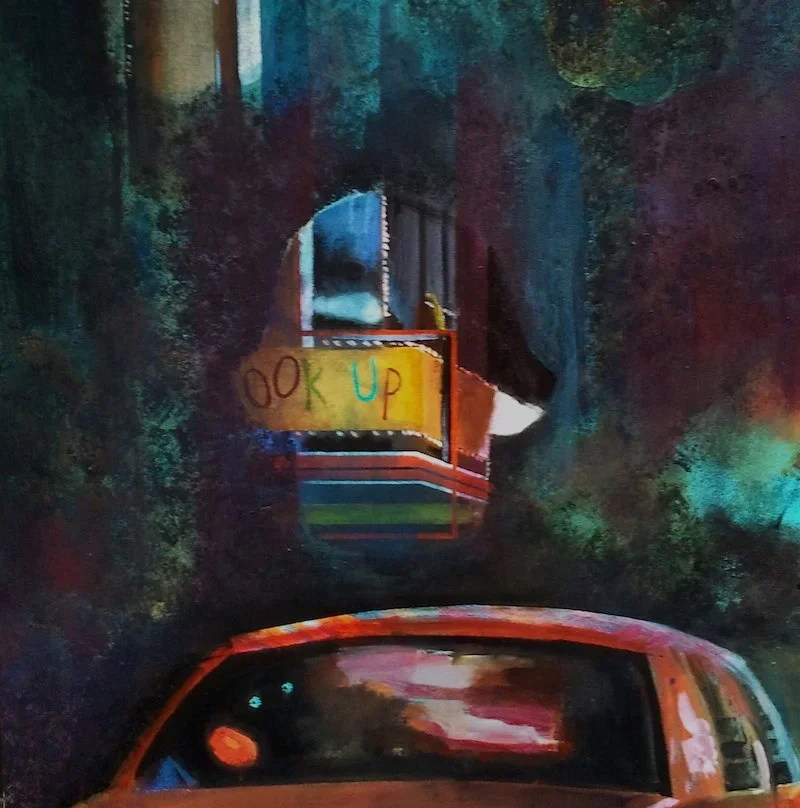
Times Square Amulet, Acrylic on canvas
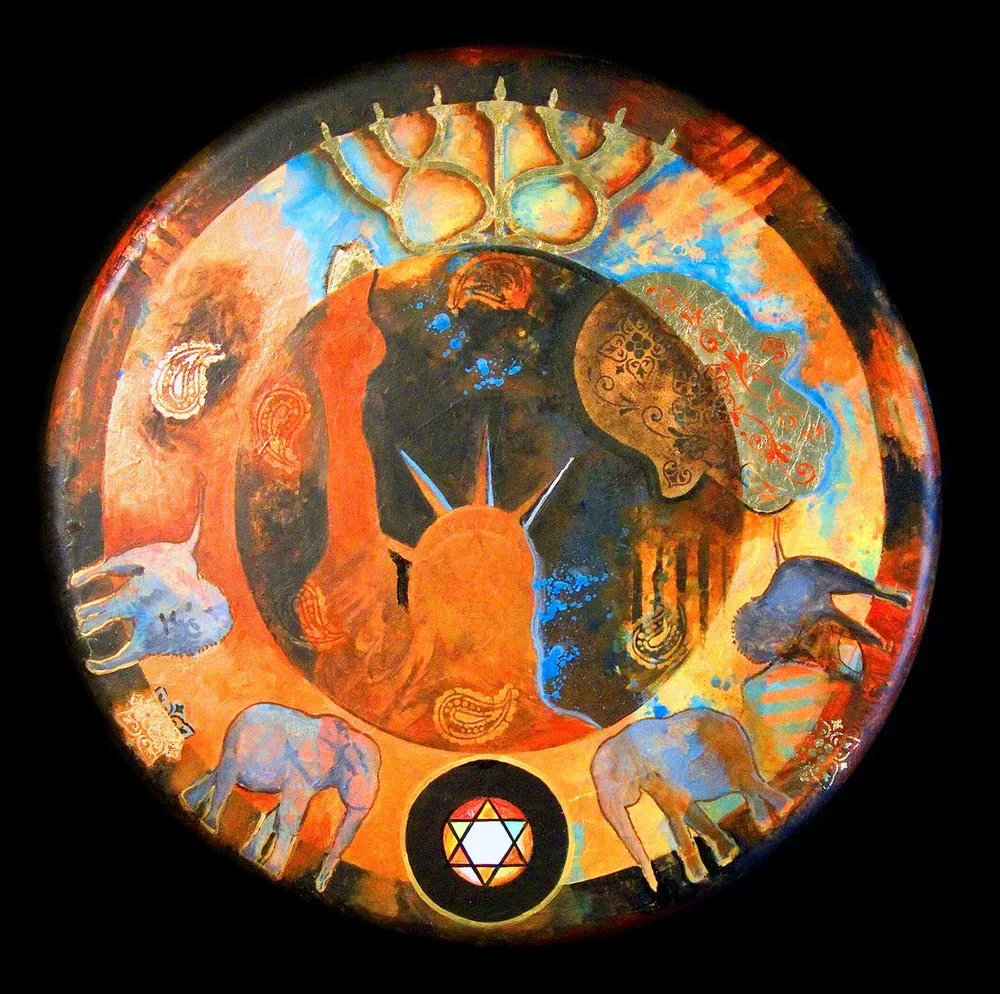
Stanton St Shul Amulet, Acrylic on canvas, 40-inch diameter
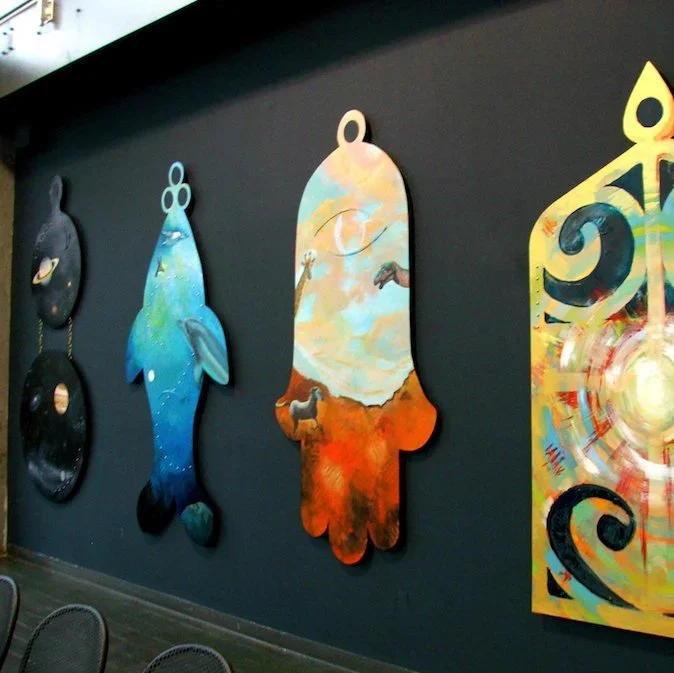
7 Days, detail of amulets installation, 40 x 8 ft
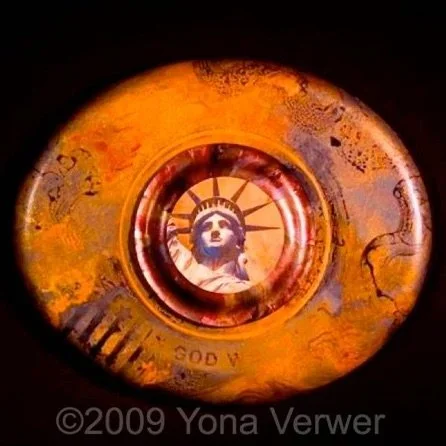
Liberty Amulet, Print, 14 x 14 inches
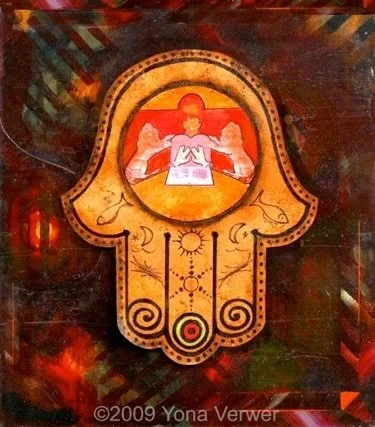
Orchard St Shul Hamsa, Print, 20 x 16 inches
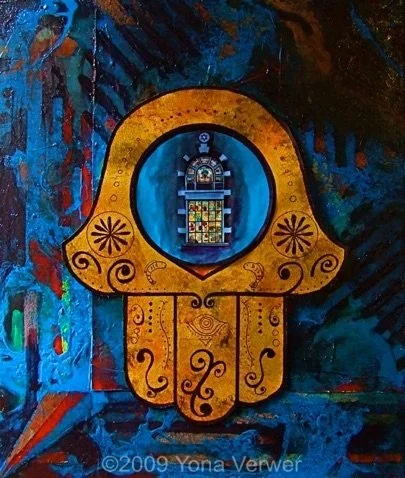
Orach Chaim Blue, Print, 20 x 16 inches
About Kabbalah of Bling
Large-scale canvas artworks shaped as amulets, suspended on chains and designed to be worn like oversized jewelry; echoing rappers’ bling.
The series critiques the superficial commodification of kabbalah that often accompanied the mass-marketing of red string bracelets (worn by Madonna, Demi Moore, Ashton Kutcher, and others), Kabbalah water (for "positive energy"), and the reduction of deep mystical teachings into fashion accessories and celebrity branding. When profound wisdom is packaged primarily as trendy merchandise, it risks diluting the context and transformative depth that have sustained Kabbalah for centuries.
For many in contemporary America, Kabbalah has become a watered-down, altered version taken out of its traditional context to fit a New Age philosophy. Yet for centuries, amulets served as serious heavenly appeals for protection, health, prosperity, and power. Rooted in Jewish tradition and discussed in the Mishna and Talmud, they carried prayers and divine names, functioning as instruments for intervening in the natural order; treated with profound respect by Kabbalists.
In contrast, many today navigate reality through filters of prosperity, status, or need, placing faith in modern talismans such as guns, drugs, money, or luxury objects. This “spiritual materialism” transforms spirituality into a tool for material gain and ego enhancement, rather than a path toward humility and the unknown mysteries at the heart of the mystical journey.
These paintings reflect on contemporary self-reliance and the faux spirituality found in the worship of objects for their own sake. As Ori Z. Soltes wrote: “Verwer’s Kabbalah of Bling series is intended to merge the deeply spiritual with the banal (‘Kabbalah’ and ‘Bling’ should ordinarily be mutually contradictory).”